
Pregnancy is often described as "eating for two."
But that phrase can be misleading.
Pregnancy is not about doubling your portions. It is about improving the quality and balance of what you eat so that your body has the nutrients it needs and your baby has what is needed for growth and development.
Start with a balanced plate
A practical pregnancy meal can include:
- Vegetables
- Fruit
- Whole grains or other suitable carbohydrate sources
- Pulses and beans
- Protein-rich foods
- Dairy or suitable alternatives
- Nuts and seeds
- Adequate fluids
You don't need a perfect plate at every meal.
Think about the overall pattern of your diet.
Protein matters
Protein supports growth and development during pregnancy.
Indian food already offers many useful protein options:
- Dal
- Rajma
- Chana
- Sprouts that are properly prepared and cooked
- Paneer
- Curd
- Milk
- Eggs
- Fish
- Chicken
- Tofu
If you follow a vegetarian or vegan diet, discuss your nutritional needs with your doctor or dietitian so that possible nutrient gaps can be addressed.
Don't forget iron
Iron is important for making red blood cells and supporting oxygen delivery.
Food sources include:
- Green leafy vegetables
- Beans and lentils
- Meat and poultry
- Iron-fortified foods
- Other iron-rich foods
Your doctor may recommend an iron supplement depending on your blood tests and individual needs.
Calcium and vitamin D
Calcium is important for bones and teeth, while vitamin D supports bone health and other functions.
Milk, curd, paneer and suitable fortified foods can contribute calcium.
Your doctor can advise whether you need additional supplementation based on your diet, blood tests and pregnancy needs.
Folic acid is important early
Folic acid helps reduce the risk of neural tube defects.
A prenatal vitamin containing at least 400 micrograms of folic acid is generally recommended beginning at least one month before pregnancy when possible and through the first 12 weeks.
Pregnancy increases the total daily folate requirement, so your prenatal supplement and diet should be discussed with your doctor.
Some women need higher doses for specific medical reasons.
Food safety matters
During pregnancy, food should be prepared and stored carefully.
Avoid:
- Raw or undercooked meat
- Raw or undercooked eggs
- Raw fish and shellfish
- Unpasteurized milk and dairy products
- High-mercury fish
Wash fruits and vegetables thoroughly and prevent cross-contamination between raw and cooked foods.
What about tea and coffee?
Caffeine is found in coffee, tea, chocolate, energy drinks and some soft drinks.
ACOG advises limiting caffeine during pregnancy to less than 200 mg per day.
Remember that caffeine content varies between drinks.
What you don't need
You don't need expensive pregnancy superfoods.
You don't need a special imported diet.
You don't need to eliminate every carbohydrate.
And you don't need to feel guilty about an occasional food that doesn't fit your ideal meal plan.
Aim for a varied, balanced diet that is practical for your family and your culture.
Your pregnancy diet should fit you
Your nutritional needs can change depending on your weight, blood tests, medical conditions, pregnancy stage, dietary pattern and whether you are carrying more than one baby.
If you have anemia, diabetes, thyroid disease, severe nausea, or another medical condition, your diet may need individual adjustment.
A healthy pregnancy diet is not about perfection.
It is about giving your body consistent support.
Frequently asked questions
Do I really need to eat for two during pregnancy?
No. Pregnancy increases nutritional needs, but it does not mean doubling your food intake. Focus on balanced, nutrient-rich meals and follow your obstetrician's advice about weight gain and nutrition.
Can I drink tea or coffee during pregnancy?
Caffeine should be limited during pregnancy. ACOG advises keeping total caffeine intake below 200 mg per day.
Is fish safe during pregnancy?
Yes, many cooked fish and seafood options are nutritious during pregnancy. Avoid raw fish and high-mercury fish and choose lower-mercury options.
Should I take a prenatal vitamin?
Most pregnant women benefit from a prenatal vitamin, particularly for folic acid and other key nutrients. Your doctor can recommend an appropriate preparation for you.
Related services

Pregnancy Care
Nurturing you and your baby through every trimester with warmth and precision.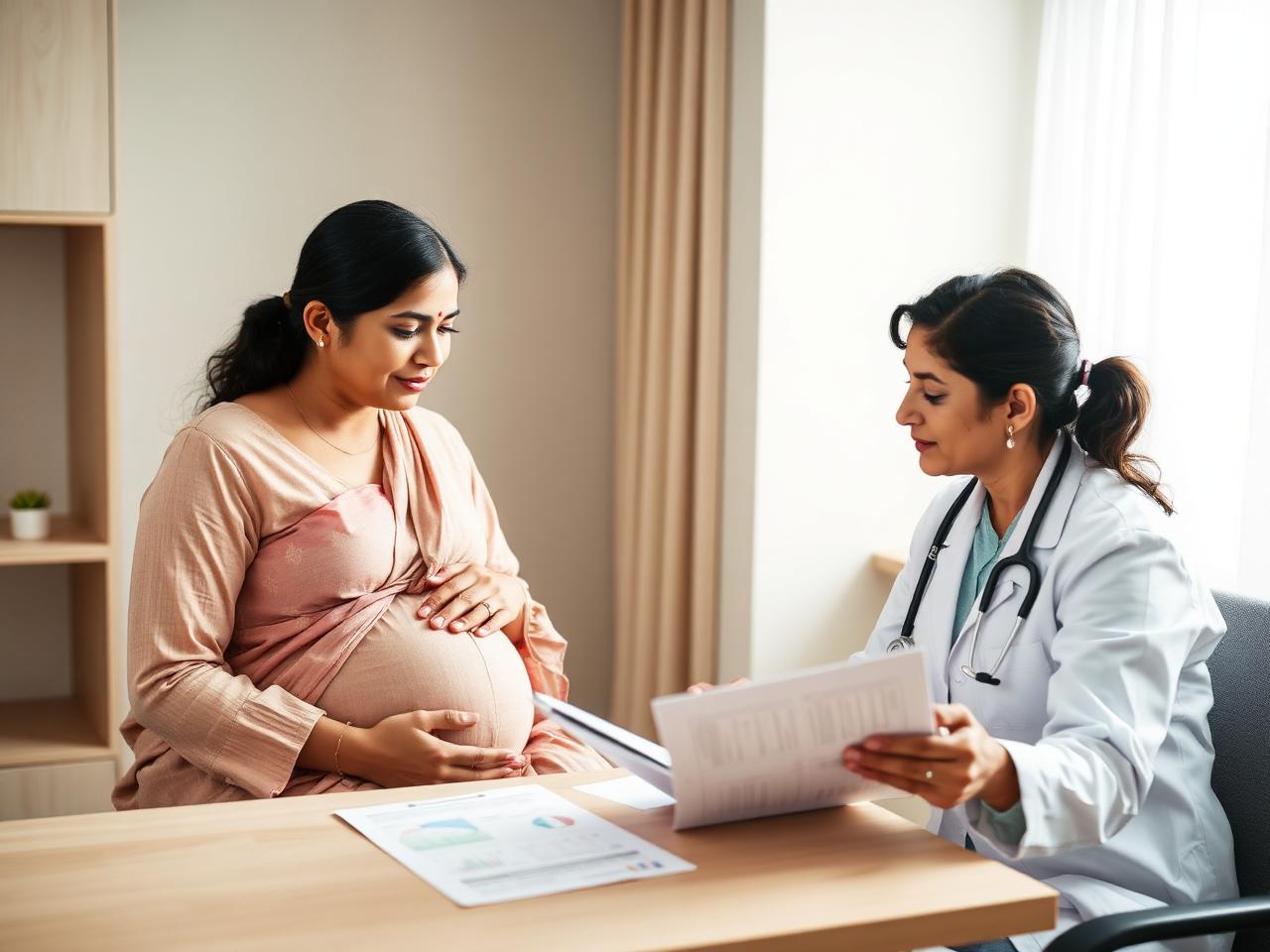
High Risk Pregnancy
Advanced, evidence-based care for pregnancies that need extra attention.
Gynecology
Comprehensive women's health, from adolescence through every life stage.More from the Journal


About Dr. Kalyani Chavan
Consultant Obstetrician & Gynecologist · MBBS, DGO, FCPS, DFP, AFIH · 20+ years
Dr. Kalyani Chavan is a Consultant Obstetrician & Gynecologist with over 20 years of experience in women's health. Her clinical practice focuses on pregnancy and maternity care, gynecological conditions, PCOS, fertility concerns and women's health across different stages of life.
Meet Dr. Kalyani ChavanMedical Disclaimer
The information in this article is provided for general educational purposes and is not a substitute for individual medical advice, diagnosis or treatment. Every woman's health needs are different. If you have symptoms, are pregnant, are planning pregnancy, or have a medical concern, please consult a qualified healthcare professional for advice specific to you. In an emergency, seek immediate medical care.