
Finding out you're pregnant can bring excitement, questions, and sometimes a surprisingly long list of worries. The first trimester is a time of rapid change, but you do not need to understand everything at once.
Think of these first 12 weeks as a time to establish good care, listen to your body, and take things one step at a time.
What might you feel?
Every pregnancy is different. Some women have many symptoms, while others have very few.
Common early-pregnancy symptoms can include:
- Tiredness
- Nausea or vomiting
- Breast tenderness
- Increased urination
- Bloating
- Mild cramping
- Changes in appetite or food preferences
- Increased sensitivity to smells
- Mood changes
Symptoms can come and go. Having fewer symptoms does not automatically mean something is wrong, just as having more symptoms does not necessarily mean there is a problem.
If nausea or vomiting is making it difficult to keep fluids or food down, speak with your obstetrician. There are safe ways to manage significant pregnancy nausea.
Start prenatal care early
Once pregnancy is confirmed, arrange an appointment with your obstetrician.
Your first visit is an opportunity to review your medical and pregnancy history, medications and supplements, previous pregnancies, vaccinations, and any conditions that may affect pregnancy.
Your doctor may recommend blood tests, ultrasound examinations and other screening based on your individual circumstances and stage of pregnancy.
If you already have a medical condition or take regular medication, do not stop treatment on your own. Discuss it with your doctor.
Folic acid matters
Folic acid is especially important around conception and early pregnancy because it helps reduce the risk of neural tube defects.
A prenatal supplement containing folic acid is generally recommended before pregnancy when possible and during early pregnancy. A standard recommendation is at least 400 micrograms of folic acid daily beginning at least one month before pregnancy and continuing through the first 12 weeks.
Some women need a higher dose because of specific medical or pregnancy-related factors. Your doctor can advise you about the appropriate amount.
Eat simply and safely
You do not need a complicated pregnancy diet.
Aim for regular, balanced meals containing foods such as:
- Vegetables and fruits
- Whole grains
- Pulses and beans
- Dairy or suitable alternatives
- Eggs and well-cooked protein sources
- Nuts and seeds
- Adequate fluids
Pregnancy also comes with some food-safety precautions. Avoid raw or undercooked meat, eggs and seafood, unpasteurized milk or dairy products, and raw fish or shellfish.
Some fish contain high levels of mercury, so choose lower-mercury options and follow your doctor's or local food-safety guidance.
Avoid alcohol during pregnancy.
Be careful with medicines and supplements
"Natural" does not automatically mean safe during pregnancy.
Before starting a medicine, supplement, herbal product or over-the-counter remedy, check with your doctor or pharmacist.
At the same time, do not stop an essential prescribed medicine without medical advice.
What about exercise?
For many women with uncomplicated pregnancies, regular moderate physical activity is beneficial.
Walking, swimming and other suitable activities can often be continued or introduced according to your doctor's advice.
If you have bleeding, significant pain, a pregnancy complication or another medical condition, ask your obstetrician what level of activity is appropriate for you.
When should you call your doctor?
Contact your obstetrician if you have vaginal bleeding during pregnancy, even though early-pregnancy bleeding can have several possible causes and does not always mean that something serious is happening.
Seek urgent medical assessment for severe or worsening abdominal or pelvic pain, fainting or marked dizziness, heavy bleeding, or other symptoms that make you feel seriously unwell.
If you cannot keep fluids down because of persistent vomiting, contact your doctor as well.
You don't have to know everything yet
The first trimester can feel like a lot of information at once.
Your job is not to become an expert in pregnancy overnight.
Start prenatal care, take the recommended supplements, eat safely, stay appropriately active, avoid harmful substances, and ask questions whenever something worries you.
One appointment at a time is enough.
Frequently asked questions
Is it normal to have mild cramps in early pregnancy?
Mild cramping can occur in early pregnancy, but persistent, severe or worsening pain should be discussed with your obstetrician, particularly if it occurs with bleeding, dizziness or fainting.
When should I start prenatal care?
It is best to begin prenatal care in the first trimester. Ideally, arrange an appointment soon after you know you are pregnant so your doctor can review your health history and plan appropriate care.
Can I take my usual medicines during pregnancy?
Some medicines are safe and others are not. Do not stop prescribed medicines or start new medicines, supplements or herbal products without discussing them with your doctor.
Is spotting during early pregnancy always dangerous?
No. Early-pregnancy bleeding can have several causes and does not always indicate a serious problem. However, ACOG recommends contacting your obstetrician about bleeding during pregnancy so that the situation can be assessed appropriately.
Related services

Pregnancy Care
Nurturing you and your baby through every trimester with warmth and precision.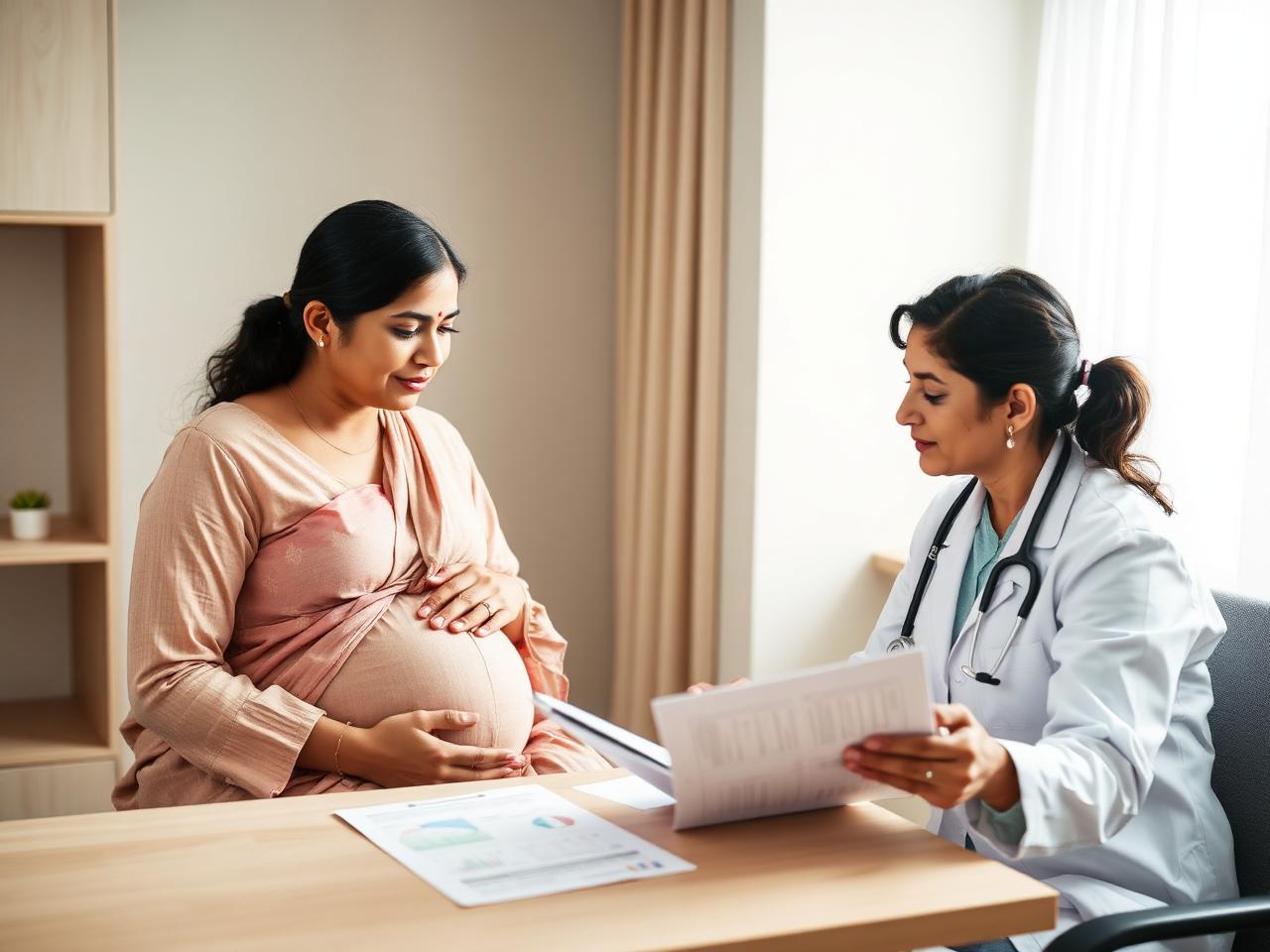
High Risk Pregnancy
Advanced, evidence-based care for pregnancies that need extra attention.
Gynecology
Comprehensive women's health, from adolescence through every life stage.More from the Journal



About Dr. Kalyani Chavan
Consultant Obstetrician & Gynecologist · MBBS, DGO, FCPS, DFP, AFIH · 20+ years
Dr. Kalyani Chavan is a Consultant Obstetrician & Gynecologist with over 20 years of experience in women's health. Her clinical practice focuses on pregnancy and maternity care, gynecological conditions, PCOS, fertility concerns and women's health across different stages of life.
Meet Dr. Kalyani ChavanMedical Disclaimer
The information in this article is provided for general educational purposes and is not a substitute for individual medical advice, diagnosis or treatment. Every woman's health needs are different. If you have symptoms, are pregnant, are planning pregnancy, or have a medical concern, please consult a qualified healthcare professional for advice specific to you. In an emergency, seek immediate medical care.